
How to Identify and Avoid Predatory Journals
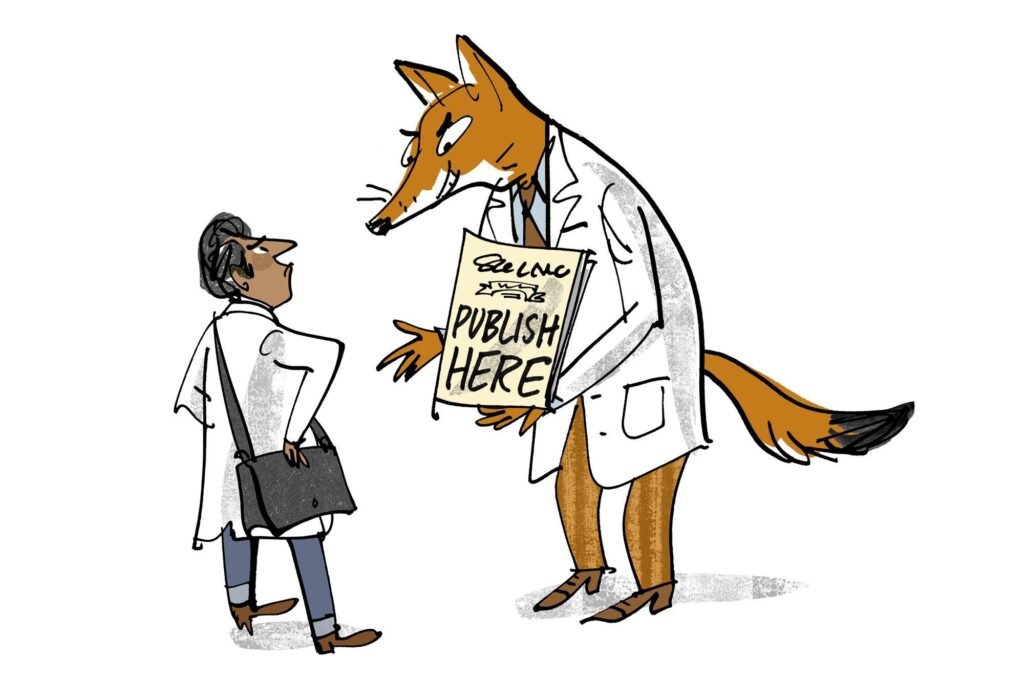
Keep your work and career safe from fake publishers. Know the signs, how to check if a journal is real, and the right way to pick good academic journals. Fake publishing is a big problem for honest research today. These publishers trick researchers who need to publish papers. They charge fees but don’t give real reviews, which hurts careers and makes science look bad.
Identified Predatory Journals
Articles in Predatory Journals
Annual Revenue from Researchers
Growth Rate (2019-2023)
Understanding Predatory Publishing
Predatory publishers exploit the open access publishing model by charging authors fees while providing little to no editorial services, peer review, or quality control. They often mimic legitimate journals to deceive researchers.
Characteristics of Predatory Publishers:
- Profit-Driven: Primary focus on collecting fees rather than advancing science
- Deceptive Practices: Misleading journal names, fake editorial boards
- Poor Quality Control: Minimal or non-existent peer review
- Aggressive Marketing: Unsolicited emails and unrealistic promises
- Lack of Transparency: Hidden ownership, unclear policies
Major Warning Signs
1. Suspicious Communications
Spotting Fake Journal Asks:
- Watch out for random emails asking you to submit work or be an editor.
- They might try to butter you up, saying your work is super renowned.
- Be wary of fake deadlines and pressure to act fast.
- The invites are often generic and could be sent to anyone.
- Keep an eye out for bad grammar and emails that just don’t look professional.
2. Website and Journal Quality Issues
Here’s what to watch out for:
Bad Website Design: The site looks unprofessional or has broken links.
Misleading Names: The journal’s name is very close to that of a well-known one.
Fake Numbers: They claim high impact factors that aren’t real or don’t exist.
Hidden Contact Info: You can’t find a real address or phone number.
Unclear Focus: The journal covers too much or doesn’t have a clear subject.
Recently Created: It’s a very new journal making big claims.
3. Editorial Board Problems
- Fake or dead people listed as editors
- Board members who don’t know much about the topics
- No listed employers or universities for the editors
- Generic photos used for editor profiles
- Editors who don’t even know they’re on the board
4. Peer Review Issues
Watch out for these signs of predatory journals:
- Really fast review times (like, days or weeks)
- Guaranteed acceptance, no matter how good (or bad) your work is
- No real review process – they just say yes right away
- Reviews that don’t give you much to work with
- You have to pay to get published
Verification Methods
Database and Index Checking
You can usually find legit journals in these databases:
- PubMed/MEDLINE: Good for anything related to biomedical science.
- Web of Science: A big database for academic stuff.
Scopus: Another large one that has abstracts and citations. - Directory of Open Access Journals (DOAJ): For quality journals that are open to everyone.
- Journal Citation Reports: Check this to see a journal’s impact factor.
Publisher Verification
How to Spot a Real Publisher:
- Look into the publisher. See what others say about them.
- COPE Member? Check if they’re part of the Committee on Publication Ethics.
- OASPA Member? See if they belong to the Open Access Scholarly Publishers Association.
- Real Address? Make sure they have a real business location.
- Money Talk: They should be upfront about their fees and policies.
Tools and Resources
Blacklists and Whitelists
Okay, here’s a way to check if a publisher is on the up-and-up:
- Think. Check. Submit. This is a checklist to verify the publisher.
- Predatory Reports: This is a database of journals that might be shady.
- Cabell’s Predatory Reports: This is a paid service that keeps a blacklist of journals to avoid.
- DOAJ: This is a list of open-access journals that are legit.
- Journament Verification: We use AI to check how good a journal is.
Professional Networks
- Consult colleagues and mentors
- Ask librarians for guidance
- Check with professional associations
- Review department publishing guidelines
Protection Strategies
Before Submitting
Pre-Submission Checklist:
- Do Your Homework: Find out as much as you can about the journal.
- See Where It’s Listed: Make sure it’s in a real database.
- Read Some Recent Stuff: Get a feel for how good the articles are.
- Reach Out to the Editors: Confirm they’re the real deal.
- Learn About the Review Process: See how long it takes for articles to get reviewed.
- Look at the Fees: Get clear info on what it costs.
During the Process
- Monitor review timeline for reasonableness
- Evaluate quality of peer review feedback
- Question unusually fast acceptance
- Verify editor communications
- Be suspicious of requests for immediate payment
If You've Been Targeted
Immediate Actions
- Stay Calm: A lot of researchers get shady invites.
- Don’t Reply: Stay away from publishers that seem fishy.
- Keep Records: Save any emails or messages so you can report them.
- Tell Others: Let your coworkers know about these questionable contacts.
- Report It: Tell the right academic groups about what’s going on.
If You’ve Already Published
- Don’t panic – it happens to many researchers
- Learn from the experience
- Consider republishing in legitimate venues if possible
- Be transparent about the mistake in future applications
- Use it as a learning opportunity for others
Special Considerations
For Early Career Researchers
If you’re just starting your research career, you might feel a lot of stress to get published, even if you don’t have much experience. Here’s how to protect yourself:
- Find a mentor to help you make good choices about what to publish.
- Focus on publishing good work, not just a lot of it.
Learn how to spot when someone is trying to manipulate you. - Create a network of people who can offer advice and support.
- Make sure you know your institution’s rules about publishing.
For International Researchers
- Language barriers may increase vulnerability
- Predators often target non-native English speakers
- Cultural differences in academic practices
- Limited access to verification resources
- Pressure to publish internationally
The Role of Technology
AI-Powered Detection
Journament, a modern tool, uses AI to spot questionable journals by looking at things like:
- How they publish and what they do.
- If their editorial board is real.
- How good their website is and if it’s consistent.
- How often they’re cited and how much impact they have.
- How long their peer review takes.
Building Awareness
Institutional Responsibilities
- Education Programs: Training sessions for researchers and students.
- Clear Guidelines: Easy-to-understand publishing policies for the institution.
- Support Services: Help from librarians and mentors.
- Verification Tools: Access to good quality databases.
- Evaluation Criteria: Fair ways to judge publishing spots.
Future Outlook
The fight against predatory publishing requires ongoing vigilance and adaptation. Emerging trends include:
- More sophisticated predatory tactics
- Increased regulatory attention
- Better technological detection tools
- International cooperation efforts
- Enhanced researcher education programs
Conclusion
To avoid getting caught by predatory publishers, you need to be aware, careful, and have the right tools. If you know what to look for, use ways to check publishers out, and use tools like Journament to see if a publisher is good, you can make smart choices about where to publish. These choices will help your career and keep science honest. Keep in mind that real publishing takes time. It includes careful review by other experts and aims to share knowledge, not just get money from you. If you’re not sure about a publisher, ask for help from experienced people, librarians, or coworkers you trust. When we all keep an eye out, we can better protect ourselves from these bad practices.