
Top 5 of AI tools for PhD students in 2025
1: thesify: Best for Academic feedback

A lot of students have a tough time getting good feedback on their papers. Teachers are often swamped and can’t spend a ton of time on each one. Thesify can help with that. It gives you simple explanations of what you’re doing well and where you could do better.
Instead of just looking at grammar, it checks how well your ideas make sense, how your paper is organized, and how clear you’re being. This is super useful for thesis work. It helps you make your arguments sharper and your research more impressive. Seriously, Thesify is one of the best tools out there for academic feedback, especially if you’re working on a PhD.
With Thesify, you can turn messy essays into strong, clear, and convincing papers. You’ll write with better clarity, confidence, and accuracy. It’s one of those AI tools that can seriously help PhD students get awesome academic feedback.
2: Elicit: Best for data extraction and summaries
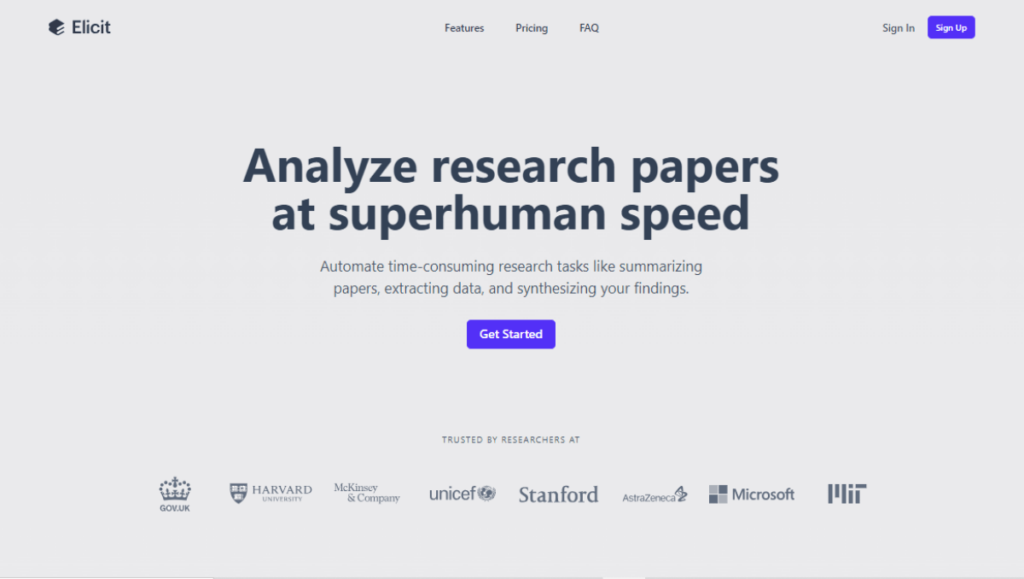
Reading piles of papers can really bog down grad students. You can end up with tons of saved articles, but no way to read them all closely. Elicit helps fix this by using AI to grab data, sum up studies, and point out the key stuff.
It uses a huge database of over 125 million papers to make short summaries of article abstracts. This lets you quickly decide if a paper is worth your time. Elicit can also grab data from lots of papers fast. It can help you screen studies, create standards, and make choices based on proof with just one click. Plus, you can cite every piece of data and it’s backed up with quotes from the original papers.
With Elicit, you can quickly spot the big papers in any subject, double-check facts by going back to the sources, and check out related studies in a better way. This can really speed up your school work. It’s one of the better AI tools for doctorate students who need to quickly grab data and get research summaries they can trust. And this is one of the best ai tools for phd students.
3: Research Rabbit: Best for literature mapping
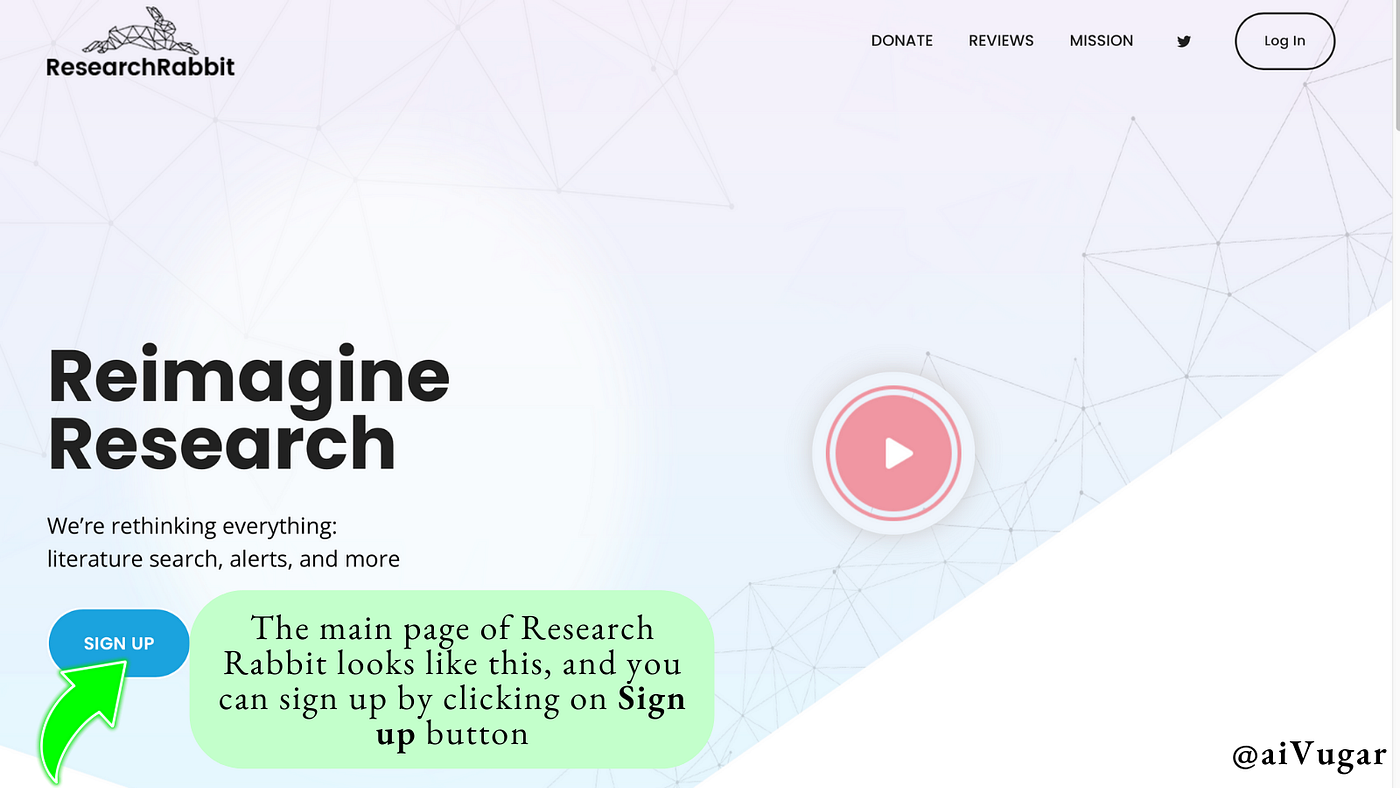
If you like how Spotify helps you find tunes, you’ll probably like Research Rabbit—but it’s for school stuff. This free online thing lets you see research papers visually, find new writers, and sort your reading with cool map-like collections.
Students can make their own collections based on what they’re studying. Just search by title or keywords, find the paper you need, and toss it in your collection. You can check out summaries, add your own notes, and then dig into related stuff. When you pick a paper, you can find similar stuff, see where it’s referenced, and follow more work by the same writers or those linked to them.
Research Rabbit turns reading into a visual network that’s easy to grasp, which is great if you’re a visual person and want to see how ideas fit together in the literature. It’s a top AI tool for PhD students wanting to map out and explore school papers. And this is one of the best ai tools for phd students.
4: Scite AI: Best for citation analysis
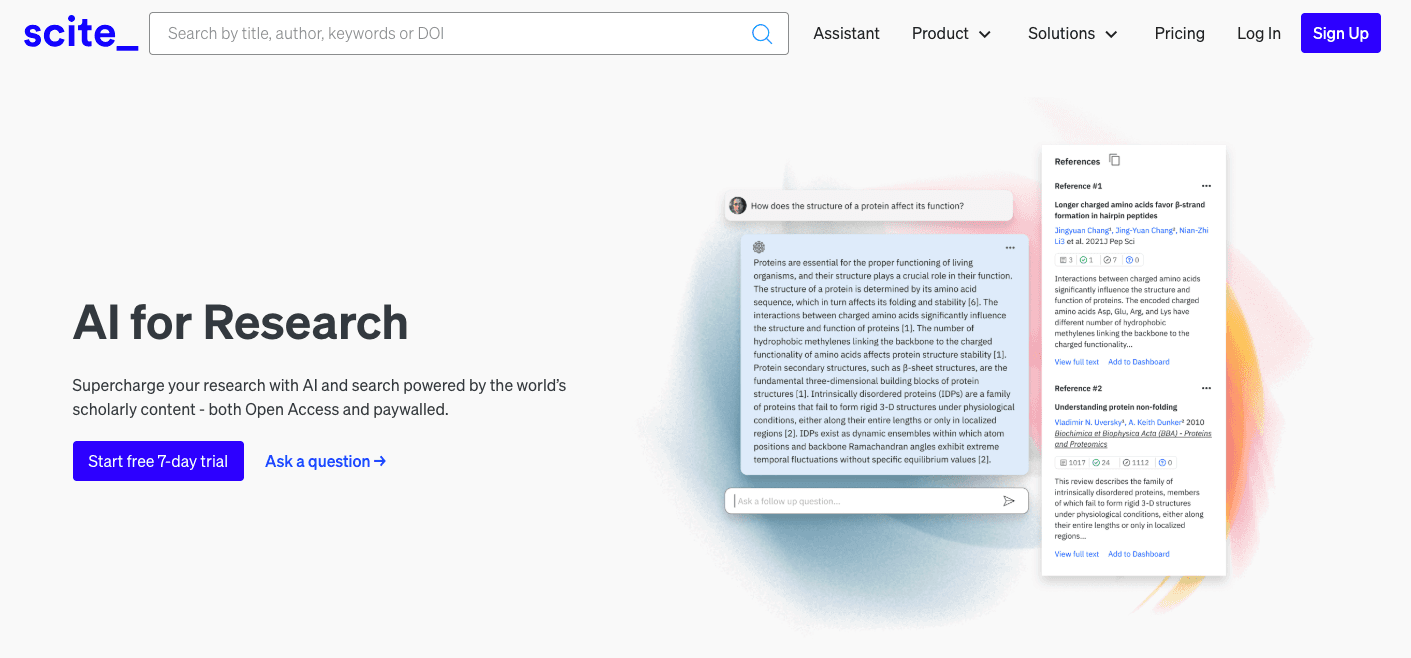
Finding and using good sources can take up a lot of time, and people tend to put it off. Trying to follow all the different citation rules and figuring out who wrote what can eat up hours. That’s where Scite AI can be a big help. It uses AI to make research easier for students, teachers, and pros. It looks at tons of citations from many sources to show you how articles are cited and how important they are.
One cool thing about Scite is its Smart Citations system. It puts citations into groups, like ones that agree, disagree, or just mention something. This lets you see if they are good, what they mean, and why they are there. So, you get a better idea of how important a paper really is.
With Scite AI, you can see exactly how a study is used, get a full view of what’s out there, and get solid info about citations. It’s a really good tool for students who need to look at citations carefully. And this is one of the best ai tools for phd students.
5:Trinka: Best for Academic grammar checker
.webp)
Even when you’re writing a PhD thesis, grammar and spelling can be a pain, especially when you’re rushing to meet deadlines and don’t have time to carefully edit. That’s why Trinka is a useful tool to check out. It’s made for academic and technical writing and this AI assistant can help researchers and pros proofread their work carefully. It’s one of the best AI tools for PhD students.
Trinka finds grammar errors, looks at how sentences are built, suggests better word choices, and works with both American and British English. It also spots when things don’t match up, suggests using language that includes everyone, and helps with citations and checking for plagiarism. Plus, Trinka keeps your data private by encrypting and safely storing your documents.
Basically, if you want a dependable proofreading tool to make your thesis better, Trinka is worth a shot. It can help you clean up your writing and make your final work clearer and more professional. I think this can be one of the greatest AI tools for PhD students that need a high-quality academic grammar checker. And this is one of the best ai tools for phd students.
Heading toward success!
Okay, so that wraps up our look at the five best AI tools for PhD students. As you can see, AI isn’t here to take over your work – it’s here to assist. These tools are great for tackling those little, time-sucking tasks that can really slow down research, so you can concentrate on your ideas and your actual studies. If you’re a PhD student, using these tools the right way can really help you get things done faster and make your thesis the best it can be. And this is one of the best ai tools for phd students.